
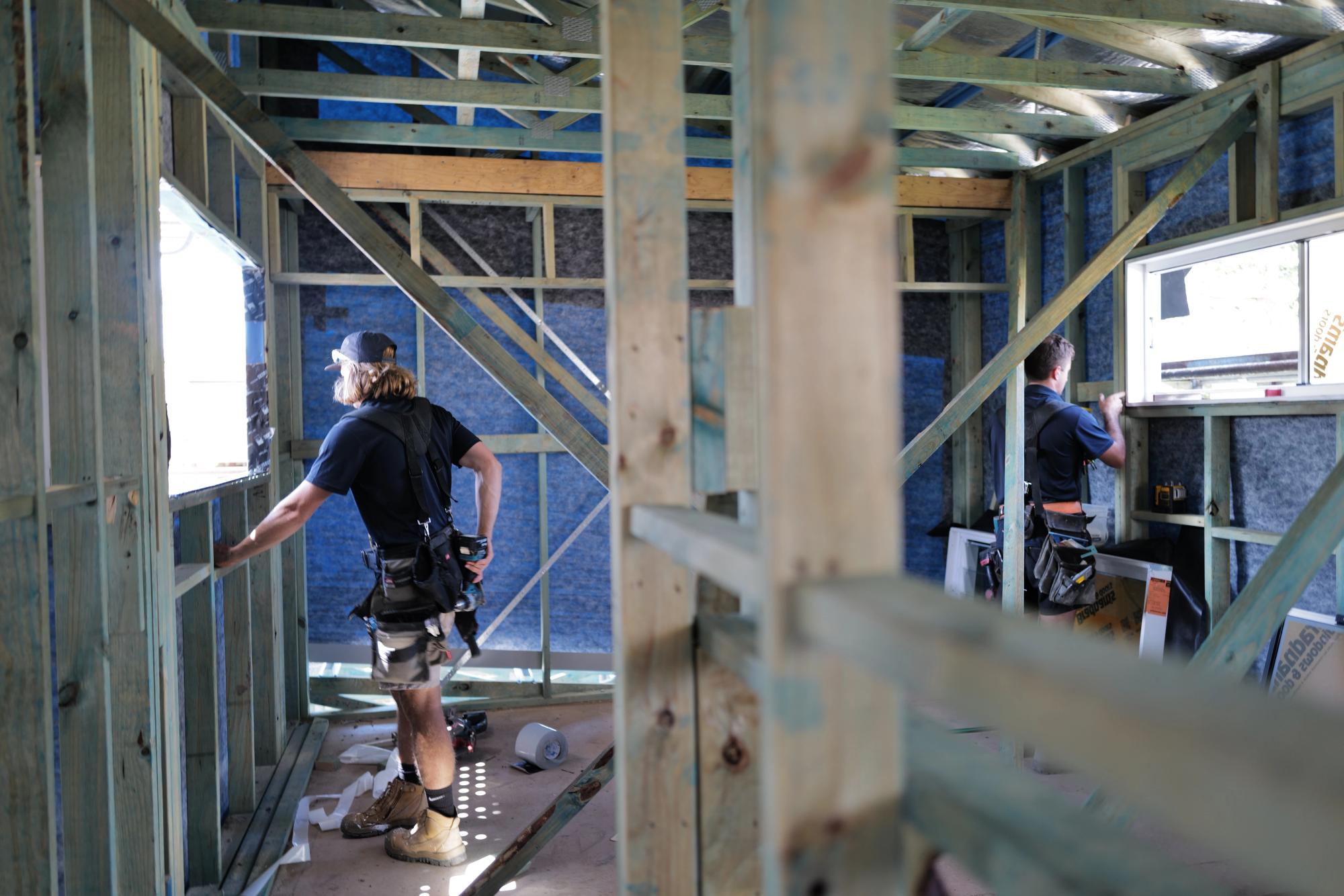
Why Early Builder Involvement Changes the Outcome of a Custom Home
Most people bring a builder into a project once the design is already well underway.
By that point, layouts are taking shape, finishes are being discussed, and many of the bigger decisions already feel fixed. The problem is that some of the most valuable builder input comes earlier, when ideas can still be tested properly and changes are easier to make.
Early builder involvement does not change the vision for a home. It helps make sure that vision works as well in real life as it does on paper.
What ECI Looks Like in Practice
When a builder is involved during design, there is more opportunity to review structure, buildability, access, compliance risks, and sequencing before documentation is finalised.
That gives the wider team more room to resolve practical issues early, rather than reacting to them later when time, cost, and approvals are already putting pressure on the project.
The value of that process shows up in different ways from project to project.
Cardiff South: Refining the Design Before It Was Locked In
On a custom home in Cardiff South, early builder involvement created the opportunity to strengthen an already well-considered design through practical refinement.
Structural changes were made to remove a post from the kitchen, creating a cleaner open-plan layout and improving the connection between living spaces. Steel beam sizing was also increased to achieve wider spans, giving the home a better sense of openness and flow.
The same process improved natural light throughout the home. Skylights were introduced to the upstairs living zone, and glazing was added above the staircase to bring light into an area that could easily have felt darker and more enclosed.
These were not dramatic redesigns. They were targeted decisions made early enough to improve how the home would actually feel once built.
Seamless indoor-outdoor living with warm timber floors, a sun-filled open layout and effortless flow to the deck beyond
A warm and inviting dining space that flows naturally into the living area, designed for gathering
Generous proportions and natural light define this living space, with a seamless connection between levels
Carrington: Creating Room to Rethink the Project Properly
In Carrington, early collaboration mattered in a different way.
What began as a first-floor addition evolved into a near full rebuild as the family's needs became clearer and the limits of the existing home were better understood. Because the builder was involved alongside the design team, that shift could happen early enough to lead to a better outcome, rather than becoming a reactive change later in the process.
That early involvement helped shape a home that responded more effectively to the family brief, the flood-prone nature of the site, and the practical realities of building on a tight block. It allowed the project to be reworked with more clarity, rather than trying to force the original scope to keep stretching beyond what made sense.
Eleebana: Knowing When Renovation Stops Making Sense
In Eleebana, early builder input helped answer one of the biggest questions homeowners face at the beginning of a project: renovate or rebuild.
The original plan was to renovate, but early feasibility discussions revealed that the existing structure would limit ceiling heights, spatial flow, and the long-term performance of the home. Making that call early meant the clients could move forward with a knockdown rebuild before becoming too committed to the wrong approach.
That decision unlocked a much better result for the site and allowed the final home to feel more resolved, both in layout and in the way it connected to the outdoors.
Stockton: Improving Buildability Without Losing the Vision
In Stockton, early collaboration during concept design helped shape practical solutions around buildability, detailing, and cost.
The project involved a high level of technical complexity, including boundary-to-boundary construction, rooftop detailing, and coastal durability requirements. Having the builder involved early meant these issues could be worked through while the design was still developing, rather than once construction had already started.
That process also created space for improvements along the way, including refinements to the roof design that improved views and reduced unnecessary complexity in the drainage system. It is a strong example of how early builder involvement supports both design intent and practical delivery.
Where Early Involvement Tends to Show Up
Across these projects, the pattern is consistent.
Early builder involvement can improve:
- structural efficiency
- natural light and spatial flow
- buildability and sequencing
- cost clarity
- site and access planning
- confidence in whether a renovation or rebuild is the better path
It does not guarantee a project will be simple. It does mean the team has a better chance of making the important decisions at the right time.
What This Looks Like in the Finished Home
The benefit of early collaboration is not always obvious in one single feature. More often, it shows up in how well the whole project comes together.
Layouts feel more resolved. Construction runs with fewer avoidable surprises. Design intent holds together more cleanly through delivery. And clients are able to make major decisions with better information while there is still room to act on it.
That is what makes early builder involvement valuable. It creates clarity early, which usually leads to a stronger outcome later.
Bringing a builder in early is one of the simplest ways to improve the outcome of a custom home. It creates room for better decisions, better coordination, and a smoother process overall. When the right people are involved at the right stage, the result is often a home that feels more considered in every part of it.
If you are planning a custom home and want your builder involved from the start, get in touch to talk through your project.