
When a First Floor Addition Isn't Enough
A lot of projects start with the same idea.
Add another level, create more space, and work with what is already there.
On paper, it makes sense. Keep the existing structure, reduce demolition, and extend the home to suit changing needs. In practice, though, a first-floor addition does not always deliver the outcome people expect.
The limitation is not the idea. It is what the existing house can realistically support.
Why This Decision Shapes the Whole Project
The decision to extend or rebuild affects more than just scope.
It influences structure, layout, cost, approvals, and how well the home will function long term. When a project continues down the wrong path for too long, it usually leads to compromises or rework that could have been avoided.
Understanding when an addition stops making sense is what allows the project to move in the right direction early.
Carrington: When the Scope Outgrew the Structure
On a project in Carrington, the original plan was to build a first-floor addition.
The goal was to create more space for a growing family while keeping the existing home. As the design progressed, though, it became clear that the structure below was limiting what could be achieved.
The existing layout, structural constraints, and overall configuration meant that even with an additional level, the home would still be working against itself. Circulation, light, and spatial flow were all being compromised by trying to retain too much of the original building.
Rather than continuing to stretch the design, the project shifted to a near full rebuild.
That decision created the opportunity to resolve the layout properly, improve how the home connected internally and externally, and align the structure with what the home actually needed to do.
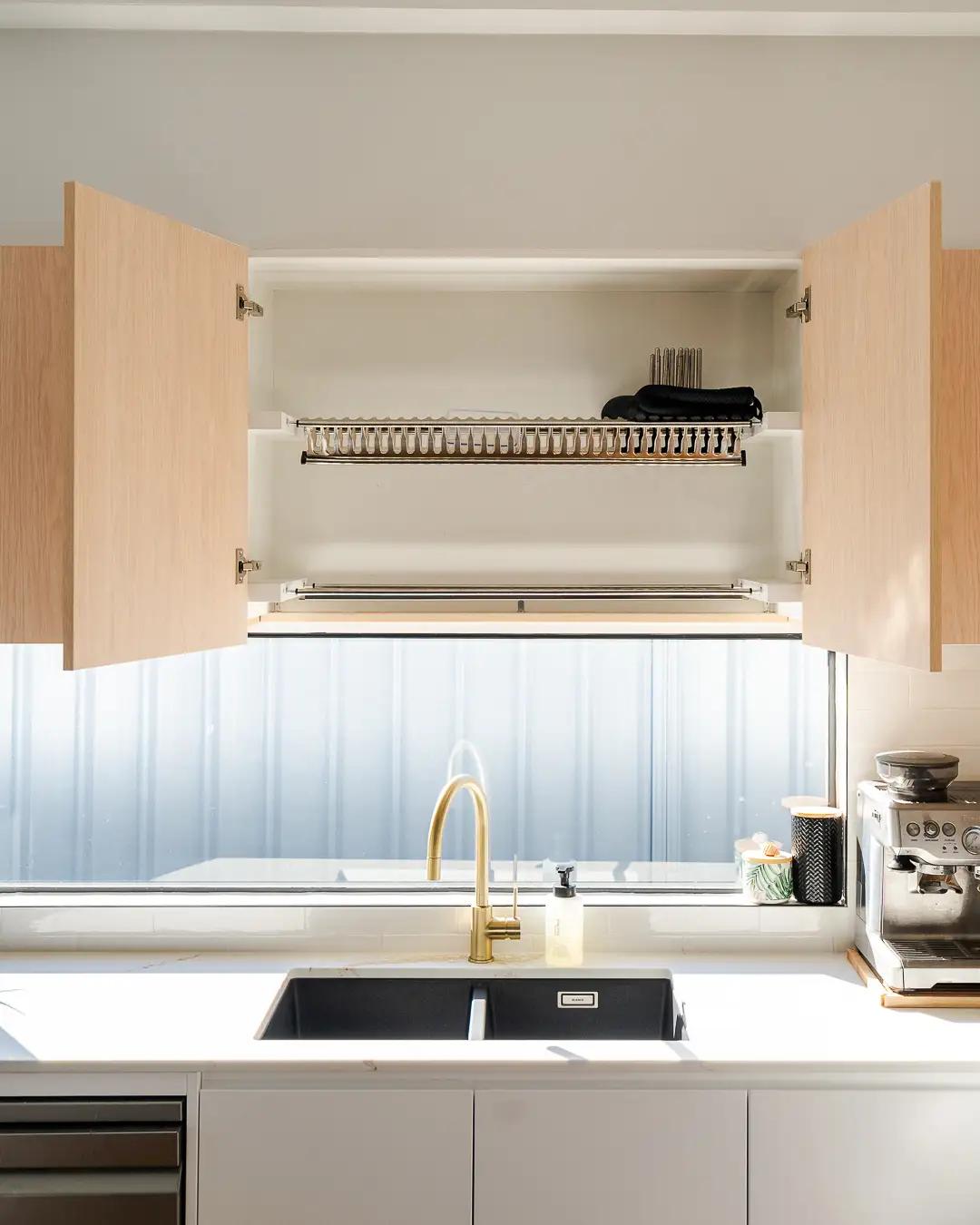
The result of choosing to rebuild rather than add a level, a layout that flows without compromise
When Additions Work
A first-floor addition can still be the right approach.
It tends to work well when the existing structure is sound, the layout below already functions well, ceiling heights and proportions are workable, and the new level can integrate cleanly with the existing home.
In these cases, an addition can deliver meaningful improvement without needing to start again.
When They Don't
Additions become less effective when the existing structure limits layout changes, circulation becomes forced or inefficient, ceiling heights and proportions cannot be resolved, structural work becomes overly complex, or the end result still feels compromised.
At that point, the cost and complexity of extending can approach that of rebuilding, without delivering the same outcome.
How Cost Compares Between the Two
One of the biggest misconceptions is that an addition is always the more cost-effective option.
In some cases, that is true. In others, the cost of working around the existing structure, modifying it, and trying to integrate new work can reduce that advantage significantly.
A rebuild shifts the cost profile, but it also allows the home to be resolved properly from the outset.
It is not just about how much is spent. It is about what that spend achieves.
What the Shift to Rebuild Made Possible
In Carrington, moving away from the original addition approach allowed the project to deliver a far more complete result.
The final home feels resolved, functional, and better suited to the needs of the family. That outcome would not have been possible if the project had continued trying to work around the limitations of the original structure.
A first-floor addition can be a good solution, but it is not always the right one. The key is understanding early whether the existing home can support what you are trying to achieve. If it cannot, recognising that sooner allows for a better decision and a stronger outcome.
If you are trying to decide between adding a level or starting fresh, get in touch to talk through what makes sense for your home.