
What Keeps a Build Moving From Start to Finish
From the outside, progress on a build can look simple.
Trades arrive, work gets done, and the structure gradually takes shape. What is not as visible is how easily that progress can stall if the project is not set up to move continuously.
Most delays do not come from a single issue. They come from gaps. Gaps between trades, gaps in decision-making, and gaps in planning that break the flow of the build.
Keeping a project moving is less about speed and more about maintaining momentum.
What Momentum Actually Looks Like on Site
Momentum is what allows a build to progress consistently from one stage to the next.
When that flow is in place, trades move through the site without interruption, materials arrive when they are needed, and each phase sets up the next. When it is not, the build becomes stop-start, and even small gaps begin to affect the overall timeline.
The difference is not always obvious from the outside, but it shapes how the entire project unfolds.
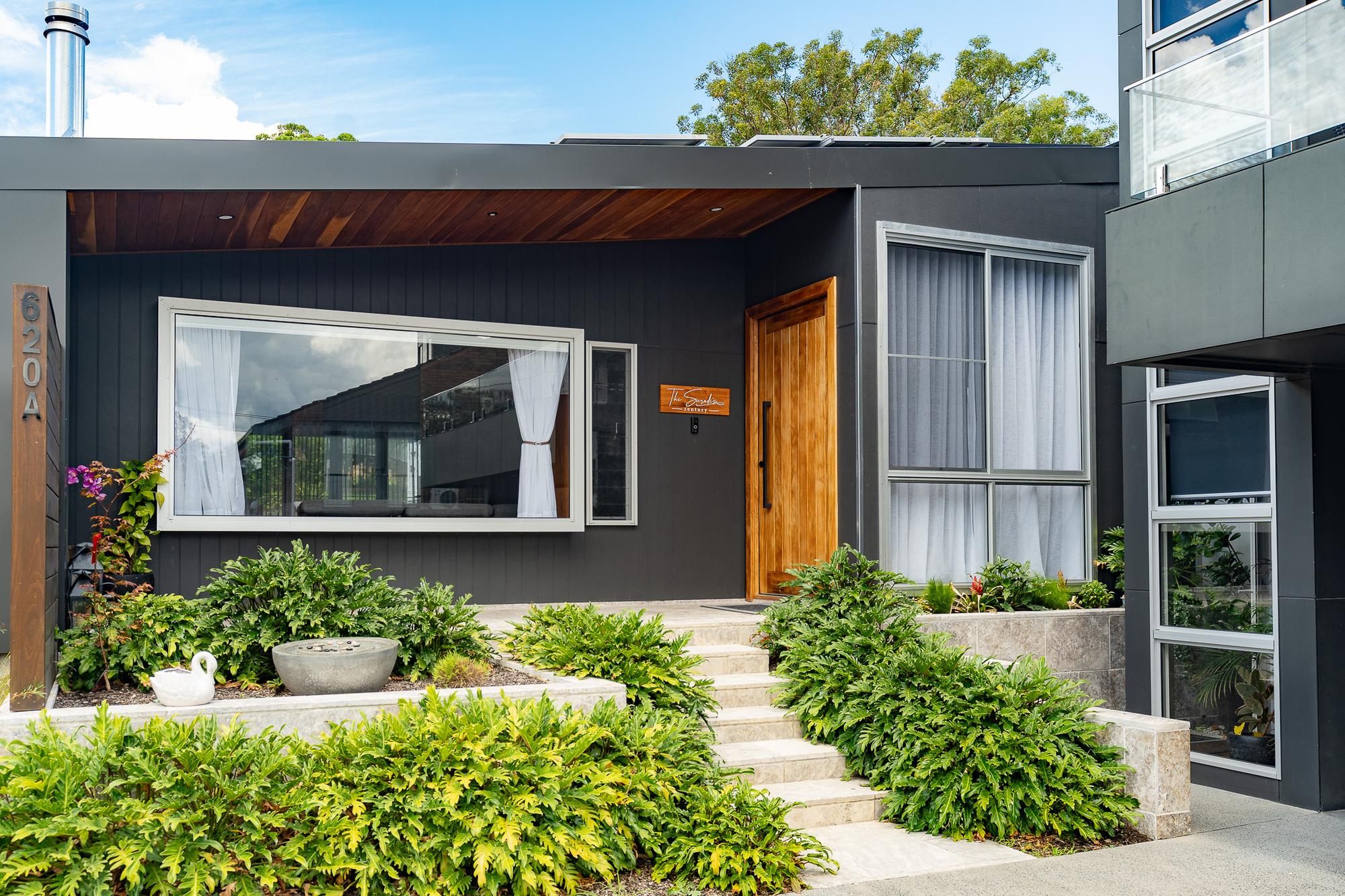
Eleebana: A Build That Maintained Flow
On a project in Eleebana, the build progressed steadily from start to finish without extended downtime between stages.
This was not the result of compressing the schedule or increasing pressure on site. It came from structuring the build so that each phase was ready to move as soon as the previous one was complete.
Trades were sequenced to follow on from one another, rather than overlapping unnecessarily or waiting for access. The site was prepared ahead of each stage, ensuring that work could begin without delay.
This created a consistent rhythm across the build, where progress did not rely on catching up, but on not falling behind in the first place.
Delivered in six months through disciplined sequencing and consistent momentum from start to finish
How Trade Handovers Make or Break Progress
One of the biggest factors in maintaining momentum is how trades transition between stages.
Each trade relies on the previous one being completed properly and on time. If that handover is not clean, the next stage is either delayed or forced to work around incomplete conditions.
On a well-managed build, those transitions are planned in advance. The site is prepared, access is clear, and the next trade can begin without needing to resolve leftover issues.
It is a small part of the process, but it happens at every stage.
Preparing the Site for Each Stage
Momentum also depends on the site being ready.
That means materials are in place when needed, access is clear for incoming trades, previous work is completed and signed off, and decisions affecting the next stage have already been made.
When the site is prepared properly, work continues without interruption. When it is not, even simple tasks can slow the build down.
When Decisions Need to Happen
Client and builder decisions also play a role.
Selections, confirmations, and approvals need to happen at the right time to support the build program. When decisions are delayed, they tend to affect upcoming stages, even if the work on site is progressing as planned.
Keeping momentum means aligning decisions with the build, not reacting to it.
What Breaks Momentum
Across projects, momentum is usually affected by gaps between trades, incomplete or delayed decisions, materials not arriving when needed, and poor sequencing between stages.
These issues do not always look significant on their own, but they interrupt the flow of the build.
How the Eleebana Build Stayed on Track
On the Eleebana project, maintaining momentum allowed the build to progress consistently without unnecessary downtime.
The timeline was achieved not by accelerating individual stages, but by keeping the entire project moving without interruption.
A build does not slow down all at once. It slows down in small gaps between stages. Keeping those gaps to a minimum is what allows a project to move from start to finish without losing momentum.
If you are planning a build in Newcastle and want a builder who keeps projects moving through disciplined planning and coordination, get in touch to talk through your project.