
What a Council Modification Actually Means During a Build
Most people assume that once plans are approved and construction begins, the design is locked in.
In reality, that is not always the case.
Changes can still occur during construction, and in some situations, they are not just necessary, they improve the final outcome. When that happens, it usually involves what is known as a council modification.
For clients, this can feel like something has gone off track. In practice, it is often part of refining a project as it moves from drawings into real construction.
What a Modification Actually Involves
A council modification is not just a paperwork exercise.
It affects approvals, sequencing, coordination, and sometimes cost. It also needs to be handled in a way that allows the build to keep moving while the change is assessed.
When managed properly, a modification can improve the design without disrupting the overall progress. When it is handled poorly, it can slow things down quickly.
Understanding how this process works makes it easier to navigate when changes come up.
Carrington: Refining the Design Without Stopping the Build
On a project in Carrington, a council modification was lodged during construction to refine aspects of the design.
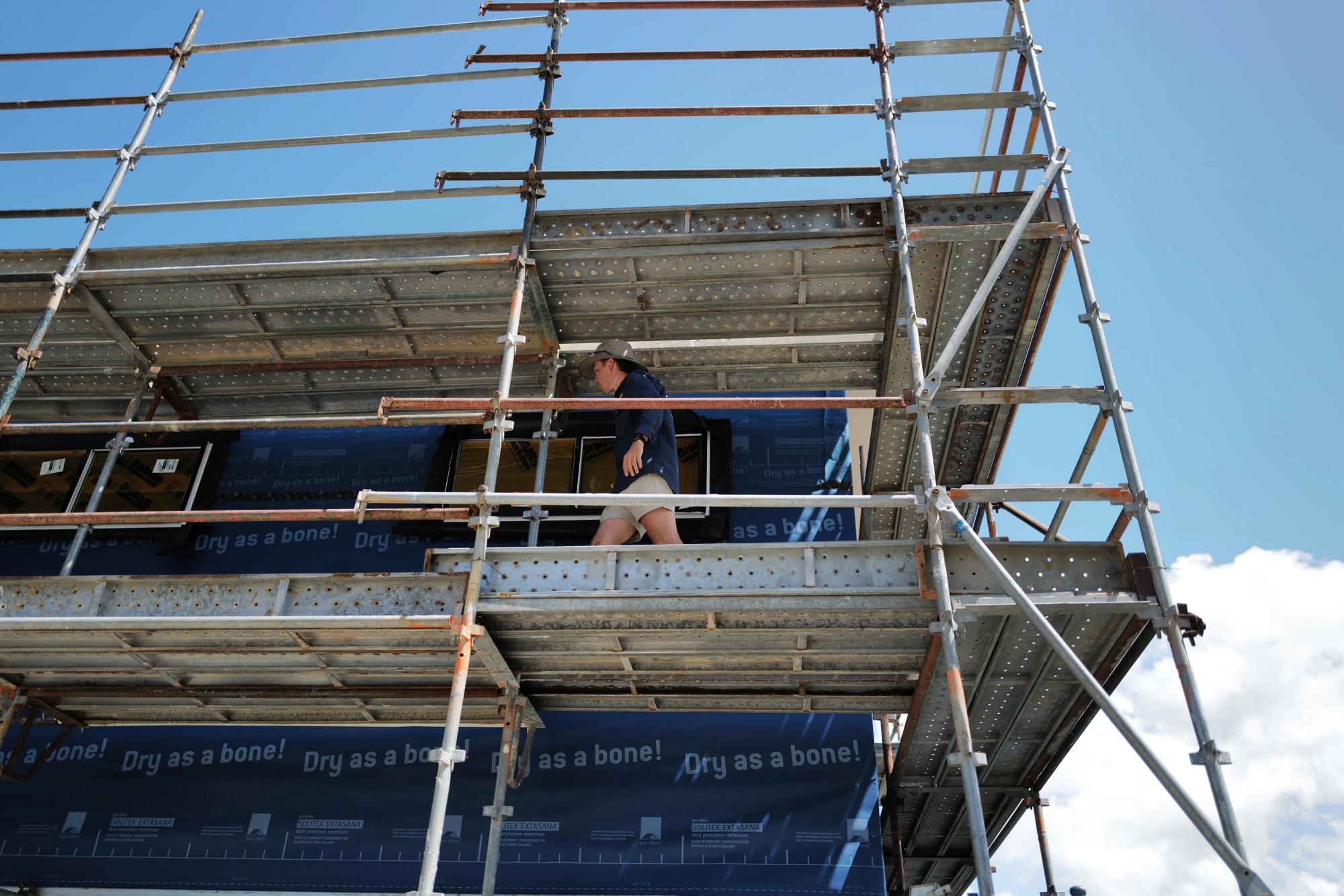
Rather than halting progress, the project continued while the modification was being processed. This required careful coordination between the builder, architect, and certifier to ensure that works on site stayed aligned with both the approved plans and the proposed changes.
Because communication was consistent and the scope of the modification was clearly understood, the adjustment could be integrated without creating unnecessary delays.
This is where experience matters. Knowing what can continue, what needs to pause, and how to manage that balance is critical to keeping momentum on site.
A light-filled family home on a compact inner-city block, where site conditions and cost were understood early
Stockton: Improving the Outcome Mid-Process
In Stockton, a council modification was used to adjust the roofline and improve views from the upper level.
This required updates to structural detailing, coordination across consultants, and alignment with the approval process. The change was not driven by an issue, but by an opportunity to improve the outcome.
Because it was identified and managed at the right stage, the modification could be implemented without disrupting the broader construction program.
This highlights an important point. Not all modifications are reactive. Some are part of refining the project as it develops.
A council modification during construction refined the roofline and improved views without stopping the build
What Triggers a Modification
Council modifications are usually triggered by one of three things: design refinement as the project develops, site or structural conditions that require adjustment, or opportunities to improve the outcome once construction has started.
They are not uncommon on more complex projects, particularly where multiple constraints need to be balanced.
What It Means for the Build
A modification can influence several parts of the build. It can affect approval timelines, sequencing of trades, coordination between consultants, structural or design detailing, and sometimes cost.
The key is understanding those impacts early and managing them in a way that keeps the project moving.
How It Is Managed on Site
Managing a council modification during construction requires coordination.
The builder needs to work closely with the architect, engineer, and certifier to ensure the proposed changes are documented correctly and submitted for approval. At the same time, the site needs to keep progressing where possible.
That often means identifying which areas of the build can continue, sequencing works to avoid rework, and maintaining clear communication across all parties.
When done well, the modification becomes part of the process rather than a disruption to it.
What Good Management of a Modification Looks Like
On both Carrington and Stockton, the modifications led to improved outcomes without derailing the build.
The projects continued to move forward, the changes were integrated properly, and the final homes benefited from decisions made during construction rather than being limited by earlier assumptions.
A council modification does not mean something has gone wrong. In many cases, it means the project is being refined as it moves from design into reality. What matters is how that process is managed. With the right coordination and timing, a modification can improve the final result without compromising the build.
If you are mid-build or planning a project in Newcastle and want to understand how changes are handled during construction, get in touch to talk it through.