
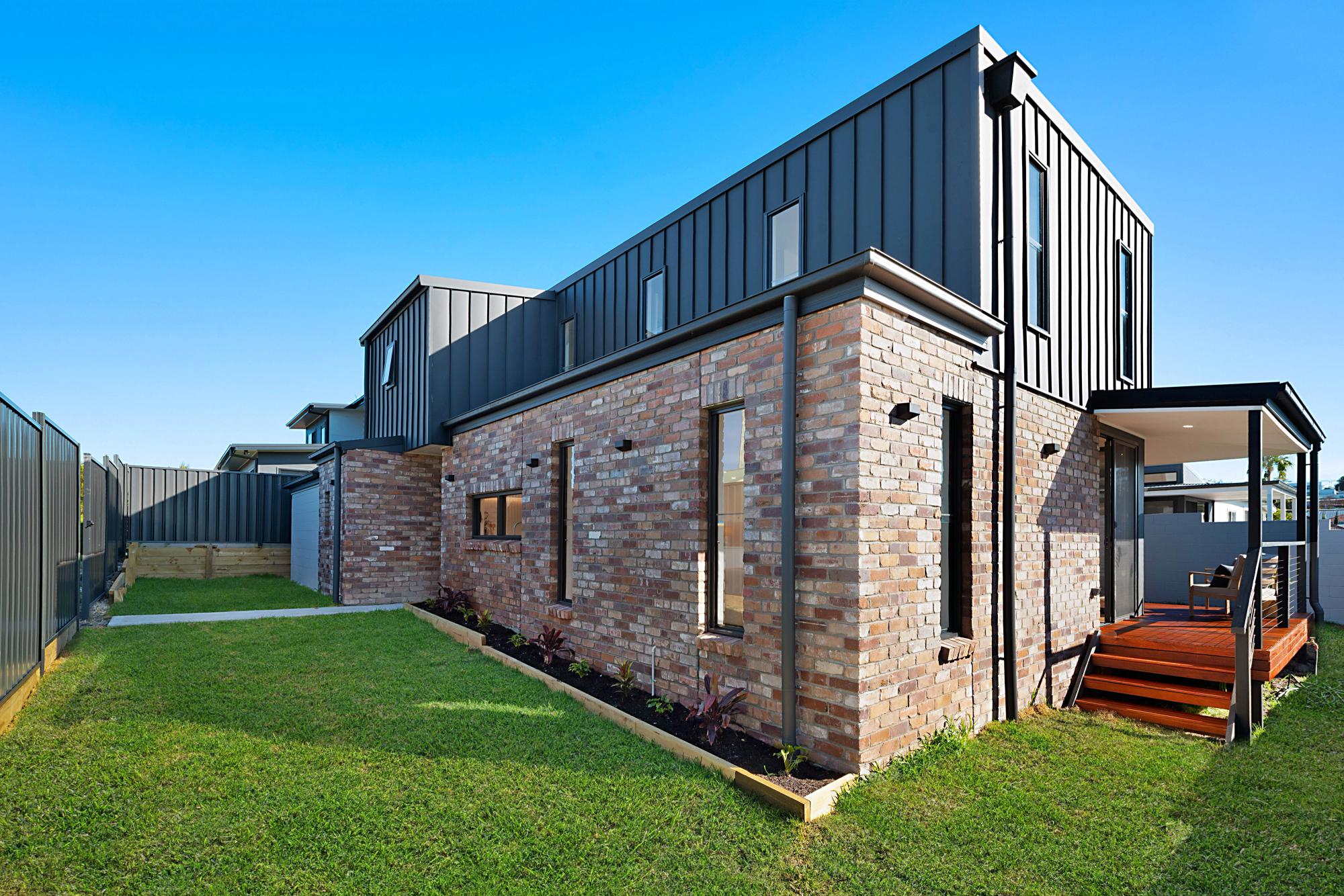
Renovation vs Knockdown Rebuild: How to Know Which One Makes Sense
Most projects don't start with a clear answer.
They start with a question. Can we improve what's already here, or does it make more sense to start again?
On paper, renovation often feels like the easier option. Keep part of the structure, reduce demolition, work within what exists. But once design, structure, and long-term performance are properly considered, the answer is not always that simple.
The right decision depends less on preference and more on what the existing home can realistically support.
Getting the Answer Early Changes Everything
The choice between renovating and rebuilding shapes everything that follows.
It affects layout, structure, approvals, cost, and how well the home will function over time. When that decision is made early, the project can move forward with clarity. When it is delayed, it often leads to compromises, rework, or unnecessary cost.
Understanding the limitations of the existing structure early is what allows that decision to be made properly.
Carrington: When an Addition Stops Making Sense
In Carrington, the project began as a first-floor addition.
The goal was to create more space for a growing family without fully replacing the existing home. As the design developed, though, it became clear that the structure below was limiting what could be achieved.
The existing layout, structural constraints, and overall configuration meant that even with an additional level, the home would still be working against itself. Circulation, light, and spatial flow were all being compromised by trying to retain too much of the original building.
Rather than continuing to stretch the design, the project shifted to a near full rebuild. That decision created the opportunity to resolve the layout properly, improve how the home connected internally and externally, and align the structure with what the home actually needed to do.
Eleebana: Choosing Rebuild for a Better Long-Term Outcome
In Eleebana, the question came up early.
The original plan was to renovate, but feasibility discussions revealed that the existing structure would limit ceiling heights, spatial flow, and overall performance. Renovating would have meant working around those limitations rather than resolving them.
Choosing to rebuild allowed the home to be designed properly from the ground up. The layout, structure, and connection to the outdoors all benefited from that decision.
It also meant the project could move forward without the uncertainty that comes from trying to make an existing structure do something it was not built for.
A home the clients almost walked away from, now one they love and are regularly asked about
Kaleen: When Constraints Change the Equation
In Charlestown, the renovation vs rebuild decision was influenced by something outside the design itself.
Flame Zone classification was confirmed during the process, which introduced compliance requirements that changed the scope and cost of the project significantly. The additional spend required to meet Flame Zone standards did not add space, improve the layout, or change the look of the home. It was the cost of meeting compliance so the project could proceed.
In cases like this, the decision is not just about what the home needs. It is also about what external requirements will demand, and whether the project still makes sense once those are factored in.
The finished result of a build that required significant Flame Zone compliance, delivered on time and to a standard the clients are proud of
What Renovation Does Well
Renovation can still be the right approach.
It tends to work well when the existing structure is sound, the layout already functions well, ceiling heights and proportions are workable, and the new work can integrate cleanly with what is already there.
In these cases, renovation can deliver meaningful improvement without needing to start again.
When Rebuilding Becomes the Better Option
Rebuilding becomes worth considering when the existing structure limits layout changes, circulation becomes forced or inefficient, ceiling heights and proportions cannot be resolved, structural work becomes overly complex, or the end result still feels compromised.
At that point, the cost and complexity of extending can approach that of rebuilding, without delivering the same outcome.
One of the biggest misconceptions is that renovation is always the more cost-effective option. In some cases, that is true. In others, the cost of working around the existing structure can reduce that advantage significantly. A rebuild shifts the cost profile, but it also allows the home to be resolved properly from the outset.
It is not just about how much is spent. It is about what that spend achieves.
What the Right Decision Looks Like
When the decision between renovation and rebuild is made early, the project benefits across the board.
Design can respond to the site and the brief without being held back by structural limitations. Construction can be planned with more certainty. And the finished home is more likely to feel resolved, functional, and suited to how the family actually lives.
The choice is not always obvious at the start. But when it is explored properly and made with the right information, it sets the project up for a stronger outcome.
If you are weighing up whether to renovate or rebuild, get in touch to talk through your options and what makes sense for your site.