
Building on Flood-Prone Land in Newcastle: What You Need to Know Before You Design
Building on flood-prone land changes more than just the height of a house.
It affects how the home is designed, how it connects to the site, and how the project moves through approvals. It also introduces structural and planning considerations that need to be addressed early, not adjusted later.
In areas like Carrington and other parts of Newcastle, this is a common condition rather than an exception.
Why Flood Constraints Need to Be Addressed First
Flood requirements influence decisions from the beginning.
Floor levels, access, drainage, and how indoor and outdoor spaces connect all need to respond to flood constraints. If those considerations come too late, they tend to create redesign, delays, or compromises in how the home functions.
Understanding these constraints early allows the design to work with them, rather than against them.
What Changes in the Design
One of the most visible changes is elevation.
Homes in flood-prone areas are often raised to meet minimum floor level requirements. That shift affects how the home meets the ground, how entry points are designed, and how outdoor areas are integrated.
It also influences internal layout. Ceiling heights, transitions between levels, and connections between spaces all need to be considered in relation to the raised structure.
This is not just about lifting the house. It is about resolving how the whole home sits within the site.
Structural and Planning Considerations
Flood compliance also affects how the home is built.
Structural systems need to support the elevated design. Subfloor areas may need to remain open or be constructed in a way that allows water movement. Materials and detailing need to be selected with long-term durability in mind.
From a planning perspective, flood-prone sites can require additional documentation, engineering input, and coordination with council requirements.
These factors do not always show in the finished home, but they have a direct impact on how the project progresses.
Carrington: Designing Within Flood Constraints
On a project in Carrington, flood conditions played a major role in shaping the design.
The extension needed to be elevated to meet compliance requirements, which influenced both the structure and how the home connected to the backyard. Rather than treating this as a constraint to work around later, it was incorporated into the design approach from the start.
That allowed the outdoor areas to remain usable, while still meeting flood requirements, and helped maintain a strong connection between indoor and outdoor living spaces.
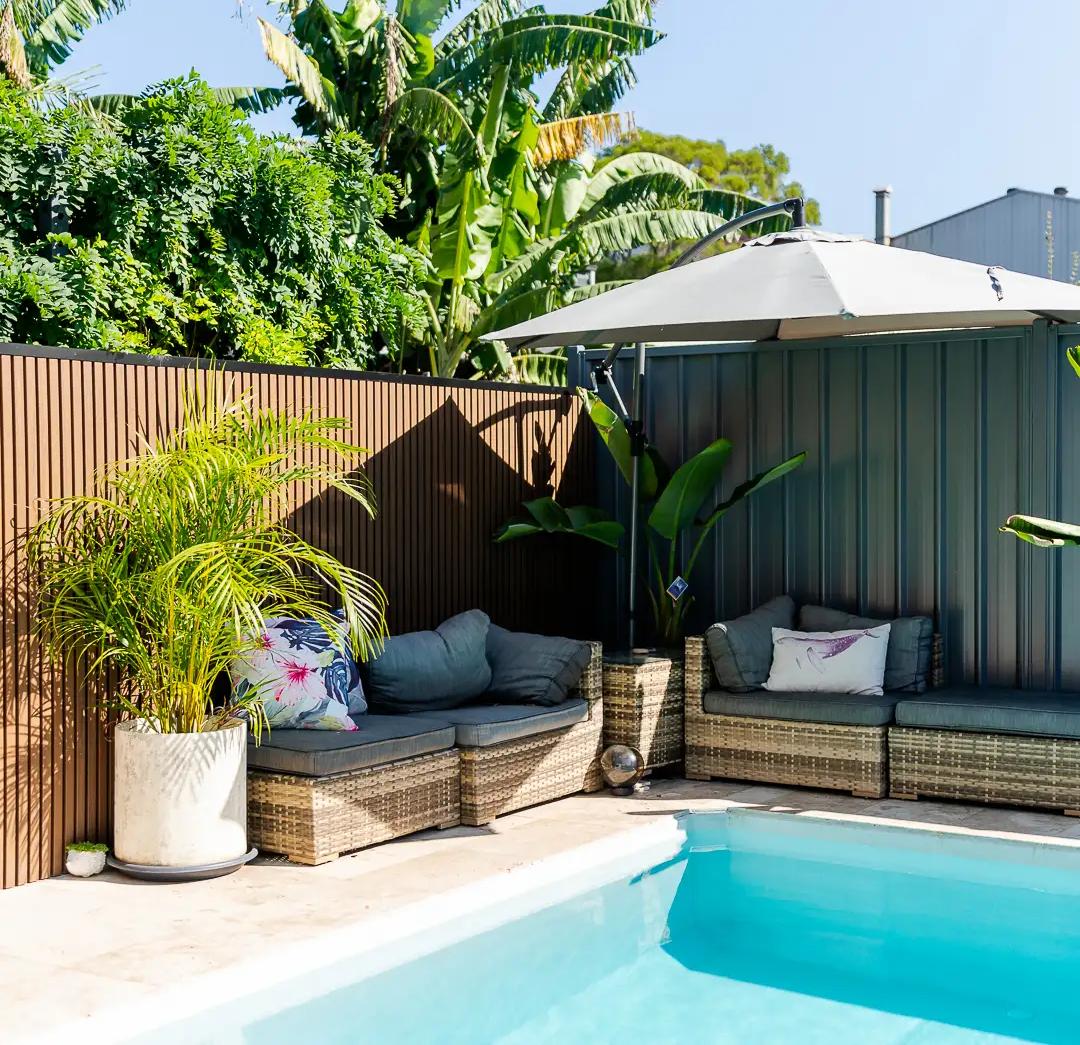
Flood constraints were incorporated into the design from the start, keeping outdoor areas usable while meeting compliance
Building on flood-prone land in Carrington required the new extension to be elevated, adding complexity to the framing and structural sequencing
Building on flood-prone land in Carrington required the new extension to be elevated, adding complexity to the framing and structural sequencing
How It Affects Cost
Flood requirements also influence cost.
Elevation, structural systems, and additional engineering all contribute to the overall build cost. Like other compliance-driven factors, these costs are often not visible in the finished product, but they are essential to achieving approval and long-term performance.
Understanding this early helps set realistic expectations and avoids surprises later in the process.
What to Consider Before You Design
If your site is flood-prone, it is worth addressing a few key questions early.
What is the required floor level. How will the home connect to the ground. How will outdoor spaces be used. What structural system will be required. What impact will this have on cost and approvals.
Answering these early allows the design to respond properly to the site.
What This Project Delivered
Building on flood-prone land does not limit what can be achieved, but it does require a more considered approach.
When these constraints are understood early, the design can work with them rather than against them, resulting in a home that feels resolved, functional, and suited to its environment.
Flood constraints are not something to work around at the end of a project. They are something to design with from the beginning. That is what allows the home to function properly, both in how it is built and how it is lived in.
If you are looking at a flood-prone site in Newcastle or the Hunter Valley and want to understand what it means for your build, get in touch to talk it through early.